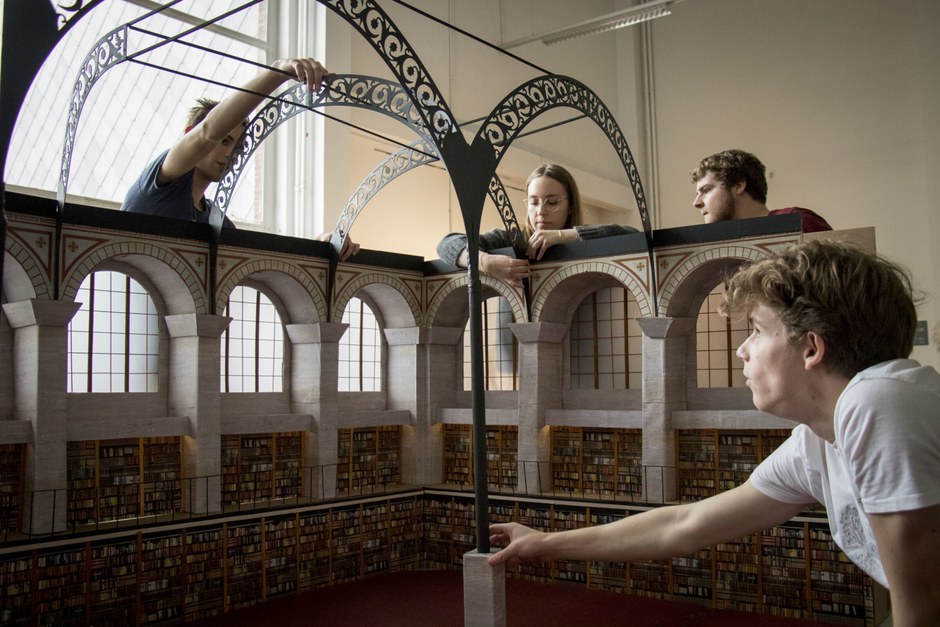
How Side Street Journal chooses, researches, edits, and presents practical general-interest stories.
How We Shape Everyday Stories
Side Street Journal begins with ordinary subjects that become more interesting when given a little attention. We choose stories that can be explained clearly, researched without unnecessary drama, and enjoyed by readers who are curious rather than expert. Practical pieces are checked for clarity and context; reflective pieces are edited for specificity and useful observation. The goal is straightforward editorial work: a good question, enough research to answer it responsibly, and writing that respects the reader’s time.
From idea to published article
01
Notice a useful question
We start with a subject that feels concrete enough to explore: a routine, place, object, hobby, or small problem that readers can recognize.
02
Gather useful context
We collect background information, compare sources where needed, and look for the details that make the subject understandable rather than generic.
03
Draft for real readers
We structure the story around what a reader is likely to notice or do, keeping explanations concrete and avoiding unnecessary jargon.
04
Edit for clarity and accuracy
Before publication, we tighten the language, remove repetition, verify factual claims, and make sure the article matches the scope promised by its title.
A Small, General-Interest Editorial Approach
Side Street Journal mixes practical guidance with observation and leisure reading. We prefer specific examples to sweeping claims, and we avoid turning simple subjects into overcomplicated systems. When a piece is instructional, the limits and assumptions should be clear; when it is reflective, the details should still be grounded in real places, objects, or routines.
Frequently Asked Questions About Our Editorial Process
How do you choose article ideas?
Ideas usually begin with a familiar subject that has more depth than it first appears to have. We favor topics that can give readers a useful observation, a small project, or a better way to notice something ordinary.
What do you check before publication?
We review structure, factual claims, wording, and whether the images genuinely match the article. The final pass also removes repetition and makes sure the piece works for a general reader.
Do all articles follow the same format?
No. A practical guide, a city-walk essay, and a hobby piece should not feel mechanically identical. Structure follows the subject, while the standard for clarity stays consistent.
Why mix practical and reflective stories?
Because everyday life includes both. Some subjects are most useful as a sequence of steps; others are better understood through observation, comparison, and examples.
Do you update older articles?
Yes, when a correction, clearer explanation, or more useful context is needed. The aim is to keep the archive readable and internally consistent over time.
We use cookies
We use cookies to ensure the proper functioning of the website, analyze traffic, and improve your experience. You can accept all cookies or reject them — the site will continue to operate. For more details, read our Cookie Policy.